
How Does a Camera System Help Protect My Property? A Complete Guide
Property owners face real threats from theft, vandalism, and unauthorized access every day. A camera system protects property by recording activity around the clock, deterring criminals before they act, and providing clear evidence when incidents occur. Camera systems reduce theft incidents by up to 50% while giving property owners the ability to monitor their space remotely and respond quickly to suspicious activity.
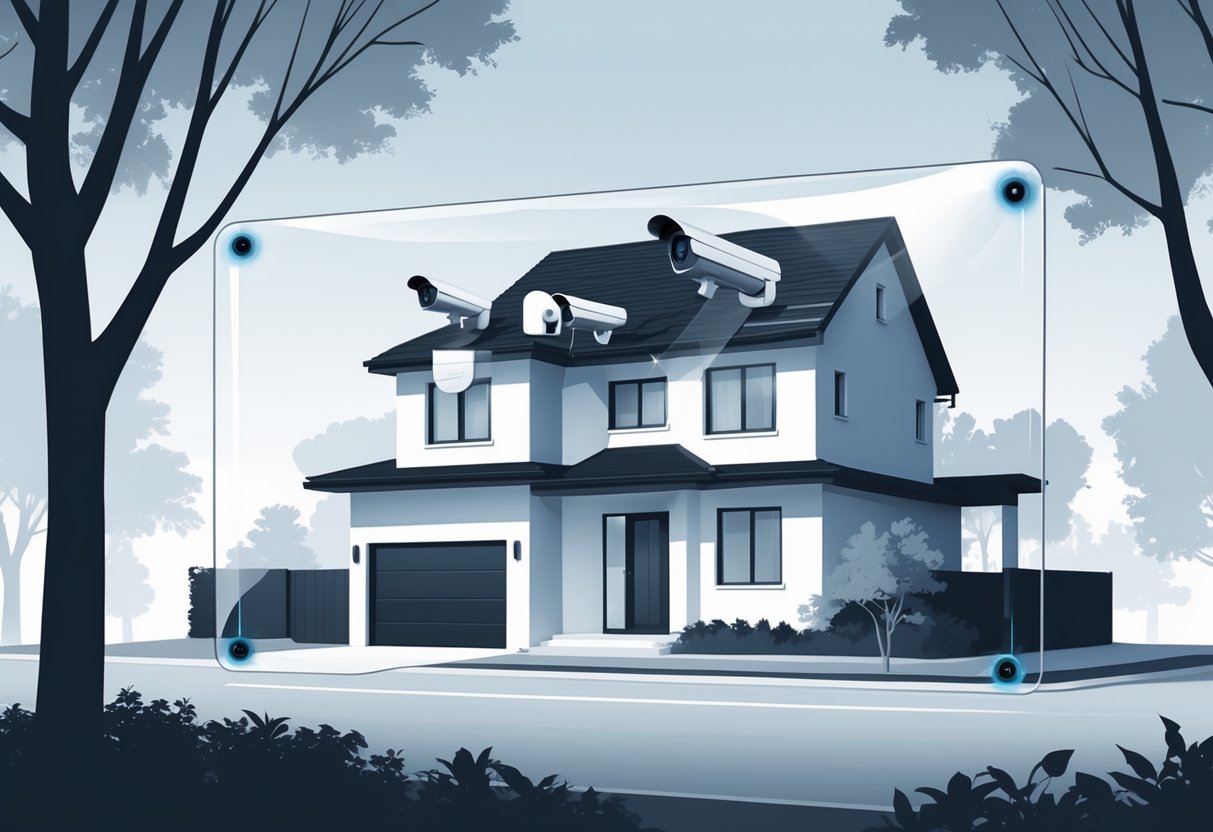
The right system does more than just record video. Modern security camera systems combine multiple cameras with smart features like motion detection, night vision, and instant alerts to create layers of protection. These tools work together to catch problems early and help law enforcement identify suspects when crimes do happen.
Understanding how camera systems work and what features matter most helps property owners make smart choices. From picking the right camera type to placing units in strategic locations, each decision affects how well the system protects what matters most.
Key Takeaways
- Security cameras deter criminals and provide recorded evidence that helps solve crimes and support insurance claims
- Different camera types serve specific needs, from wireless options for easy setup to hardwired systems for reliable long-term coverage
- Proper placement, storage options, and regular maintenance ensure cameras capture clear footage when it matters most
How Camera Systems Deter Crime and Enhance Safety
Camera systems work as both a preventive measure and an active security tool. They discourage criminal activity through their visible presence, enable quick responses to threats, and provide crucial video footage when incidents occur.
Crime Deterrence Through Visible Surveillance
The presence of security cameras creates a psychological barrier for potential criminals. Studies show that visible cameras deter 53% of burglars, making them reconsider their actions before committing crimes like theft or vandalism.
Research conducted in major cities demonstrates measurable results. Baltimore experienced a drop of 30 crime incidents per month after installing surveillance systems. Chicago found such significant reductions that the city saved $4.30 for every dollar spent on video cameras.
When surveyed, over half of imprisoned burglars identified video cameras as their top deterrent. These criminals actively avoided properties with visible surveillance systems and searched for easier targets instead.
The effectiveness increases when cameras are clearly noticeable. Properties can enhance this deterrent effect by pairing cameras with signage that indicates the area is under surveillance.
Real-Time Monitoring and Incident Response
Modern surveillance systems go beyond passive recording through professional monitoring services. Trained operators watch live feeds and can respond immediately when suspicious activity occurs.
Active monitoring proves more effective than passive camera systems at preventing crimes. Monitoring operators can issue verbal warnings through speakers, contact property owners, or alert police while observing situations unfold.
Advanced features enhance monitoring capabilities:
- AI-powered systems detect unusual behavior patterns
- Motion detection triggers instant alerts
- Remote access allows monitoring from any location
- Integration with alarms and lighting systems creates coordinated responses
Night vision and thermal imaging ensure cameras function effectively in darkness or poor weather conditions. These technologies detect heat signatures and enhance visibility when traditional cameras would struggle.
Evidence Collection for Law Enforcement
Video footage serves as valuable evidence when crimes do occur. Security cameras capture clear documentation of events, helping law enforcement identify suspects and understand what happened.
The recorded footage makes a difference between unsolved cases and quick resolutions. Police can review timestamps, track movements, and identify vehicles or individuals involved in incidents.
Video evidence also protects property owners in liability claims. Without proof, these cases become difficult to win. Cameras provide objective documentation that courts and insurance companies accept.
Key evidence benefits include:
- Facial features and clothing details for identification
- Vehicle license plates and models
- Exact times and sequences of events
- Multiple camera angles for complete coverage
Cloud storage systems preserve footage indefinitely, allowing retrieval of recordings days or months after incidents occur. This extended retention period ensures evidence remains available throughout investigations and legal proceedings.
Types of Security Cameras for Property Protection
Different camera designs serve specific surveillance needs around a property. Dome cameras provide discreet monitoring, bullet cameras offer visible deterrence outdoors, PTZ cameras deliver adjustable coverage, and wireless options simplify installation at entry points.
Dome Cameras and Their Benefits
Dome cameras feature a semi-circular glass case that hides which direction the lens points. This design makes it harder for intruders to know what areas the camera monitors.
The low-profile appearance blends into ceilings and walls without drawing attention. Property owners can install them indoors or outdoors since many models include weather-resistant housing.
These cameras work well in spaces where discreet surveillance matters. The rounded shape also protects the lens from tampering or damage. Dome cameras often include night vision and motion detection features that enhance security coverage.
The ambiguous lens direction creates uncertainty for potential criminals. They cannot easily determine blind spots or avoid detection.
Bullet Cameras for Outdoor Defense
Bullet cameras have a cylindrical shape that makes them highly visible on property exteriors. This visibility acts as a deterrent since criminals can clearly see they are being monitored.
The compact design mounts easily on walls or ceilings. Most bullet cameras include weather-resistant features that protect against rain, snow, and temperature changes.
Property owners often place these cameras at entry points, driveways, and building perimeters. The housing protects internal components from environmental damage while maintaining clear video quality.
These outdoor cameras typically offer longer viewing ranges than other types. The straightforward design provides reliable monitoring without complex adjustments. Many models include infrared capabilities for nighttime surveillance.
PTZ Cameras for Flexible Surveillance
PTZ cameras allow users to pan horizontally, tilt vertically, and zoom in on specific areas remotely. This flexibility provides wide coverage with a single camera instead of multiple fixed units.
PTZ cameras work well for large properties like parking lots, warehouses, and retail spaces. Users can control the camera position through a smartphone or computer to follow movement or examine details.
The zoom function captures license plates, faces, and other important details from a distance. Property owners can program these cameras to patrol predetermined areas automatically. Some models include motion tracking that follows moving objects within the viewing range.
The enhanced control makes PTZ cameras efficient for monitoring multiple zones. They reduce the total number of cameras needed while maintaining comprehensive coverage.
Selecting Wireless and Doorbell Cameras
Wireless cameras eliminate the need for complex cable installations throughout a property. They connect to existing WiFi networks and transmit footage to smartphones or computers.
These cameras offer placement flexibility since they do not require direct wiring. Property owners can relocate them as security needs change. Battery-powered models provide coverage in areas without electrical outlets.
Doorbell cameras specifically monitor front entrances with wide-angle views. They capture visitors, deliveries, and potential intruders at the main entry point. Video doorbells include two-way audio that lets homeowners speak with guests remotely.
Most models send real-time alerts when motion is detected. The infrared night vision maintains clear footage after dark. Weather-resistant construction ensures reliable performance at exposed entryways.
Essential Features That Improve Security
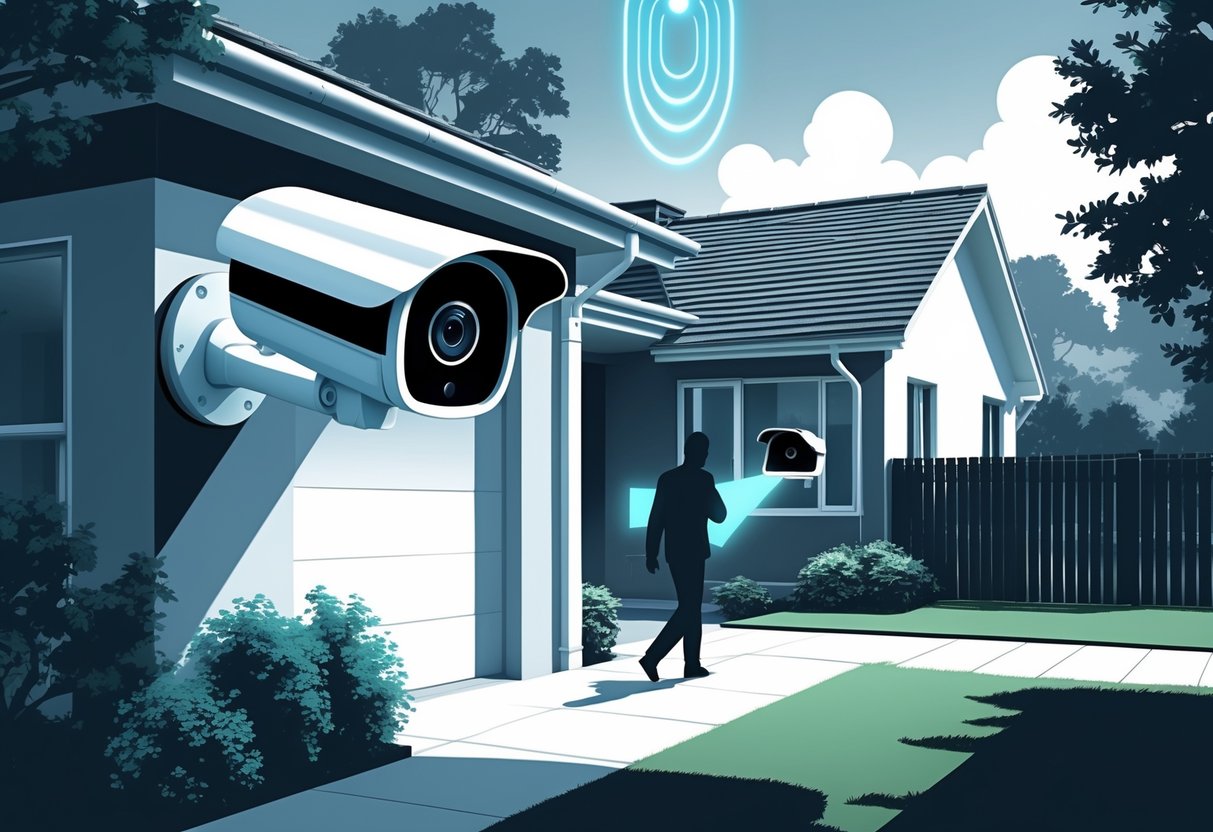
Camera systems protect property most effectively when they include specific technical capabilities. Resolution quality, low-light performance, and intelligent alert systems work together to capture usable footage and notify homeowners of potential threats.
High Camera Resolution and Image Quality
Camera resolution determines how much detail a security system can capture. HD cameras recording at 1080p provide clear footage that helps identify faces, clothing, and license plates. Higher-end 4K cameras offer even sharper images with more zoom capability.
The difference becomes obvious when reviewing footage. A low-resolution camera might show someone approached a door, but a high-resolution system reveals distinguishing features that help police identify suspects. Modern home security cameras with HD resolution make it easier to spot important details.
Image quality depends on more than just resolution. The camera's sensor, lens quality, and compression method all affect the final result. Cameras with better sensors perform well in various lighting conditions and produce less grainy footage.
Property owners should consider where they'll place cameras when choosing resolution levels. Entry points like doors and driveways benefit most from higher resolution since they capture people up close.
Night Vision for Low-Light Surveillance
Most break-ins happen at night when visibility drops. Night vision capabilities allow cameras to record clear footage in darkness or low-light conditions.
Infrared night vision is the most common type. These cameras use infrared LEDs to illuminate the area without visible light. The footage appears in black and white but captures details effectively. Most infrared systems work up to 30 feet, though some models reach 100 feet or more.
Color night vision represents newer technology. These cameras use advanced sensors and processing to maintain color in low light. This helps identify vehicle colors or clothing that might be crucial evidence.
Security cameras with night vision features should cover all vulnerable areas around a property. Backyards, side gates, and garage areas often lack adequate lighting and need capable night vision systems.
Advanced Motion Detection and Alerts
Motion detection triggers recording and alerts when movement occurs in monitored areas. This feature saves storage space and helps homeowners focus on relevant events rather than hours of empty footage.
Basic motion detection responds to any movement, including trees, animals, or weather changes. This creates many false alerts that reduce the system's usefulness. Advanced motion detection uses AI to distinguish between people, vehicles, animals, and other objects.
Customizable detection zones let users define which areas trigger alerts. A camera pointed at a driveway can ignore sidewalk traffic while alerting to anyone entering the driveway itself. Sensitivity adjustments prevent reactions to minor movements like swaying branches.
Smart motion detection systems send instant notifications to smartphones. Users receive alerts with video clips or snapshots showing what triggered the detection. Quick notifications allow property owners to verify threats and contact authorities if needed.
Some systems learn normal patterns over time. They recognize regular activity like mail delivery and only alert to unusual events.
Optimizing Camera Placement and System Integration
Camera placement directly affects how well a surveillance system protects a property, while integration with other security devices creates multiple layers of defense that work together to detect and prevent intrusions.
Strategic Camera Placement for Maximum Coverage
The front entrance needs coverage from two angles. One camera should capture a wide view of the approach area. A second camera positioned 6-8 feet from the door provides clear facial identification.
Proper camera positioning requires mounting cameras 9-12 feet high to prevent tampering while maintaining image quality. The angle should tilt downward 15-30 degrees for optimal facial capture.
Back doors and side entrances are common entry points for intruders. These areas often receive less attention but need dedicated camera coverage. Property owners should position cameras to monitor all access points including basement windows and garage doors.
Blind spots occur at building corners, near large trees, and around architectural features. Walking around the property while viewing camera feeds helps identify these gaps. Overlapping coverage from multiple cameras eliminates dangerous blind spots where intruders could hide.
Integrating with Other Home Security Measures
Security camera integration with access control and other systems creates a unified defense network. When cameras work with door locks and alarm panels, they provide verification of security events.
Smart home platforms allow cameras to trigger other devices. A camera detecting motion can turn on outdoor lights or send alerts to a smartphone. This coordination makes the entire security system more responsive.
Access control systems paired with cameras document who enters and exits the property. Card readers or keypads can trigger cameras to record when someone uses a door. This creates a visual record matched to each access event.
Professional monitoring services receive camera footage alongside alarm signals. This gives security personnel visual confirmation of threats before dispatching emergency responders.
Combining Cameras with Entry and Motion Sensors
Entry sensors on doors and windows create the first alert when someone attempts access. Cameras then capture video of the person triggering the sensor. This combination provides both detection and identification.
Motion sensors inside the home work with interior cameras to document unauthorized movement. When a motion sensor detects activity in an empty house, cameras automatically begin recording.
Glass-break sensors detect the sound of breaking windows. Positioning cameras near windows with these sensors ensures visual documentation if someone attempts forced entry. The sensors provide the alert while cameras capture the evidence.
Coordinating sensor zones with camera coverage areas prevents gaps in protection. Each entry point with a sensor should have a camera viewing that location. This dual-layer approach ensures both detection and visual verification of security events.
Storage and Access Options for Your Footage
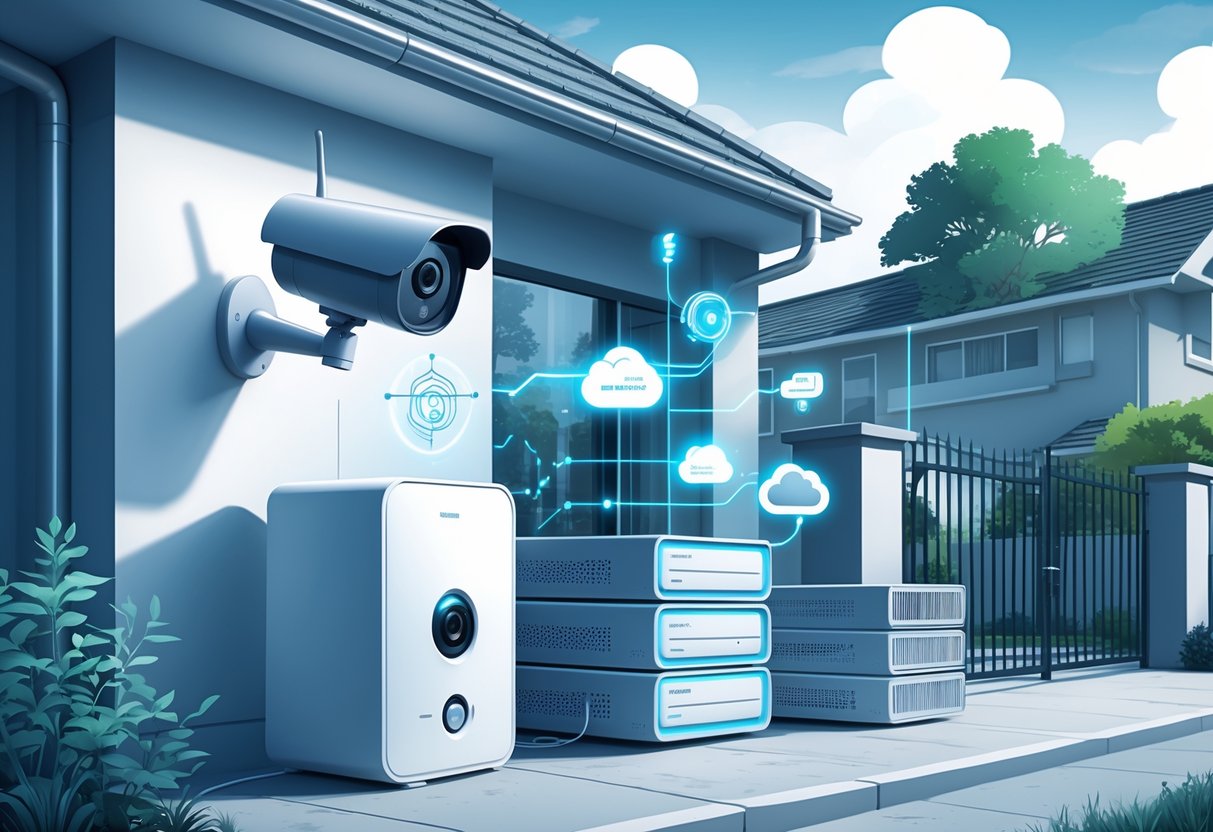
Camera systems store recorded footage through cloud services or local devices like DVRs and NVRs. Mobile apps allow property owners to view live feeds and saved recordings from anywhere with an internet connection.
Cloud Storage Advantages and Considerations
Cloud storage uploads footage automatically to remote servers maintained by the camera company or third-party providers. This method protects recordings even if someone steals or damages the camera equipment.
Most cloud services require a monthly or yearly subscription fee. The cost typically increases with the number of cameras, video quality, and how long footage remains stored. Some providers offer limited free storage with basic plans.
Key benefits include:
- Access to footage from any device with internet
- No need to maintain physical storage equipment
- Automatic backups prevent data loss
- Easy sharing of clips with law enforcement
However, cloud storage raises privacy concerns since footage travels through company servers. Upload speed depends on internet bandwidth, and recordings become inaccessible during internet outages. Some brands have increased cloud storage prices significantly or limited features without subscriptions.
Local Storage: DVRs and NVRs
DVRs (Digital Video Recorders) and NVRs (Network Video Recorders) are the primary local storage devices for camera systems. These devices store footage on internal hard drives without requiring internet connectivity.
DVRs connect to cameras through coaxial cables and process analog or digital signals centrally. They cost less than NVRs and use sturdy cables that resist interference up to 1,640 feet. DVRs cannot record audio through the same cables and cameras need separate power sources.
NVRs work with IP-based cameras connected through ethernet cables. The cameras process and encode footage before transmission, allowing high-resolution recording above 8MP without quality loss. NVRs provide better image quality but cost more and require more complex setup.
Both systems offer terabytes of storage with upgradable hard drives. Property owners maintain complete control over their footage without monthly fees or privacy risks from third-party access.
Mobile App and Remote Access Capabilities
Most modern camera systems include mobile apps for smartphones and tablets. These apps connect to both cloud-based systems and local storage devices that have network connections.
Remote access lets property owners view live camera feeds from anywhere. Users can receive motion alerts, review recorded footage, and control camera settings through the app interface. The apps typically support multiple cameras simultaneously with options to switch between different views.
For local storage systems, remote access requires the DVR or NVR to connect to a home network and internet router. The device uses protocols to stream footage securely to authorized devices. Property owners must configure network settingsproperly to enable remote viewing while maintaining security.
Apps often include features like two-way audio communication, digital zoom, and the ability to download or share specific video clips. Some systems allow users to adjust recording schedules, sensitivity settings, and notification preferences directly from their phones.
Installation and Ongoing Maintenance for Reliable Operation
A camera system only works well when it's installed correctly and maintained over time. The choice between professional help and DIY affects long-term reliability, while regular maintenance keeps cameras functioning when they're needed most.
Professional Installation vs DIY Setups
Professional installation through a security company ensures cameras are positioned to eliminate blind spots and connected properly to the base station and control panel. Technicians understand optimal camera angles, wiring requirements, and network configuration. They test each camera's field of view and ensure the keypad and monitoring equipment work together seamlessly.
DIY setups cost less upfront but require technical knowledge. Homeowners must mount cameras securely, run cables without creating weak points, and configure the system themselves. Self-monitoring systems are often designed for easier DIY installation with wireless options and simplified setup processes.
The main trade-off is expertise versus cost. Professional installers guarantee proper placement and configuration, while DIY requires more research and troubleshooting. Poor installation leads to camera blind spots, unreliable connections, and system failures during critical moments.
Routine System Checks and Maintenance
Security camera systems require ongoing maintenance to operate optimally. Regular checks include cleaning camera lenses, inspecting power supplies, and testing the control panel functions. Dirty lenses reduce image quality and defeat the purpose of having cameras.
Firmware updates protect against security vulnerabilities and improve system performance. Many modern systems offer automatic security patches and firmware updates that reduce manual work. Self-monitoring users must stay on top of these updates themselves.
Physical inspections catch problems early. Check that cameras remain securely mounted, cables show no damage, and the base station operates without error messages. Camera tampering is rare but automated alerts can notify owners immediately when cameras go offline.
Expanding Protection with Modern Home Security Features
Camera systems work best when paired with other smart devices that protect different areas of risk. Smart locks control who enters the property, while smoke and water leak sensors catch dangers that cameras cannot see.
Smart Locks and Automated Entry
Smart locks connect to home security systems to create multiple layers of protection. These devices let homeowners lock and unlock doors from their phones. They can also create temporary access codes for guests or service workers.
When paired with security cameras, smart locks provide a complete view of entry activity. The camera records who approaches the door while the lock controls access. Many systems send alerts when someone unlocks a door.
Smart locks eliminate the need for physical keys that can be lost or copied. Homeowners can check if doors are locked from anywhere. Some models automatically lock after a set time or when the system detects everyone has left.
These devices track every time someone enters or exits. This creates a record that helps identify when unwanted access occurs.
Smoke and Water Leak Detection Integration
Smart home security systems now include sensors that detect smoke and water leaks before major damage occurs. Smoke detectors connect to the main security hub and send instant alerts to phones when they detect smoke or fire.
Water leak detectors sit near water heaters, washing machines, and pipes. They alert homeowners the moment they sense moisture. Early detection can prevent thousands of dollars in water damage.
Both sensor types work with the security system to trigger automated responses. The system can shut off water valves when leaks are detected. It can also turn on lights and unlock doors during fire emergencies to help people escape safely.
These sensors provide 24-hour monitoring of threats that security cameras cannot detect on their own.
Frequently Asked Questions
Camera systems offer measurable crime prevention benefits and require careful consideration of monitoring needs, legal requirements, and integration with other security tools to maximize property protection.
What are the benefits of having a camera system for home security?
Camera systems provide several concrete advantages for property protection. Security cameras can reduce theft incidents by up to 50% through their visible presence alone.
These systems enable property owners to monitor their homes remotely through smartphone apps or web browsers. The footage serves as evidence for insurance claims and legal proceedings when incidents occur.
Camera systems can lower insurance premiums by 5-15% for homeowners who install them. They also allow parents to monitor children and caregivers when away from home.
Can the presence of security cameras reduce the likelihood of trespassing?
Visible security cameras act as a strong deterrent to potential trespassers and criminals. The presence of cameras signals that a property has active security measures in place.
Criminals typically avoid properties with visible surveillance equipment because they know their actions will be recorded. This makes them more likely to move on to easier targets without security cameras.
The deterrent effect works best when cameras are positioned in clear view at entry points and high-traffic areas. Property owners should ensure cameras are noticeable without being too high or too low for effective coverage.
How effective are camera systems in identifying intruders or unauthorized entry?
Modern camera systems can effectively identify intruders when installed and positioned correctly. High-resolution cameras capture clear facial features and other identifying characteristics during both day and night.
Night vision capabilities allow cameras to record detailed footage in low-light conditions. 360-degree security cameras eliminate blind spots and provide comprehensive coverage of monitored areas.
The effectiveness depends on proper camera placement and image quality. Cameras positioned at the wrong height or angle may fail to capture usable identification details.
Motion-activated cameras trigger recording when movement is detected, ensuring important events are captured. Some advanced systems use artificial intelligence to distinguish between people, pets, and vehicles.
Is it necessary to monitor security camera footage in real-time for maximum protection?
Real-time monitoring enhances security but is not always necessary for effective property protection. Live security camera feeds accessible through smartphones allow property owners to respond quickly to potential threats.
Continuous recording systems store footage 24/7 for review when needed. Motion-activated cameras only record when activity is detected, which reduces storage needs while capturing important events.
Most modern systems send instant alerts to smartphones when motion is detected. This allows property owners to check cameras and contact authorities if necessary without constant monitoring.
The need for real-time monitoring depends on the property type and security requirements. Businesses and construction sites may benefit more from active monitoring than residential properties.
What are the legal considerations of installing and using a camera system on private property?
Property owners must consider privacy laws and regulations when installing security cameras. Cameras should not be installed in private areas such as bedrooms and bathrooms, even on private property.
Camera placement should avoid recording areas where people have a reasonable expectation of privacy. This includes neighboring properties, public sidewalks beyond the property line, and inside windows of other homes.
Renters need landlord permission before installing security cameras. Some homeowners associations have restrictions on camera placement and visibility from public areas.
Property owners should inform visitors and employees about camera surveillance in most jurisdictions. Recording audio along with video may require additional consent depending on state laws.
How does the integration of camera systems with other security measures enhance overall property safety?
Camera systems work more effectively when combined with other security measures. Integration with motion sensors, alarms, and smart locks creates multiple layers of protection.
Modern smart home cameras can integrate with other smart devices to trigger coordinated responses. For example, cameras can activate lights when motion is detected or send alerts to alarm monitoring services.
Combining cameras with proper lighting improves footage quality and deters criminals. Physical barriers like fences and locks work alongside cameras to slow down intruders and provide more time for response.
Professional monitoring services can review camera alerts and contact authorities when necessary. This integration ensures that recorded evidence leads to appropriate action rather than just documentation after the fact.